
By Darby Kendall
Medical school isn’t so different from ultramarathon running. Both require plenty of dedicated time, endurance, mental stamina, and bouts of minimal sleep. Keely Henninger is no stranger to long-distance races. Now an M.D. student in her third year of schooling at OHSU, Henninger’s years as a professional runner are propelling her into the next phase of her life.
After getting her bachelor’s degree in biology from Penn State in 2014, Henninger moved across the country to the Pacific Northwest to work for Nike. There she was employed as both a professional runner and a biomechanics researcher studying female athletes. Henninger always had an interest in science and the human body since childhood, but her experiences receiving sports medicine are what ultimately pushed her to apply to medical school.
“During my time at Nike, I actually met a lot of OHSU doctors. A lot of them were really monumental in my decision to go into medicine,” Henninger said. “My sports medicine doctor was my number one fan. I would go to him for my injuries with running, but he would always say, ‘You’ll be the greatest doctor, and you can fill this niche for all these female athletes who come in and nobody knows their needs.’ Honestly, some of the doctors here were among the greatest I’ve ever met.”
OHSU was Henninger’s first choice for medical school thanks to her positive experiences receiving care from its physicians. She said the school’s efforts to prepare students to be good humans and good doctors were different from what she’d seen at other institutions, adding, “I’ve been loving my time here at OHSU, and I think that they really create a very empathetic and caring physician.”
Henninger plans to bring that empathy to her own work in family medicine after graduation. She hopes to see her patients grow up and serve them over their lifetimes, providing a listening ear and safe space for young athletes.
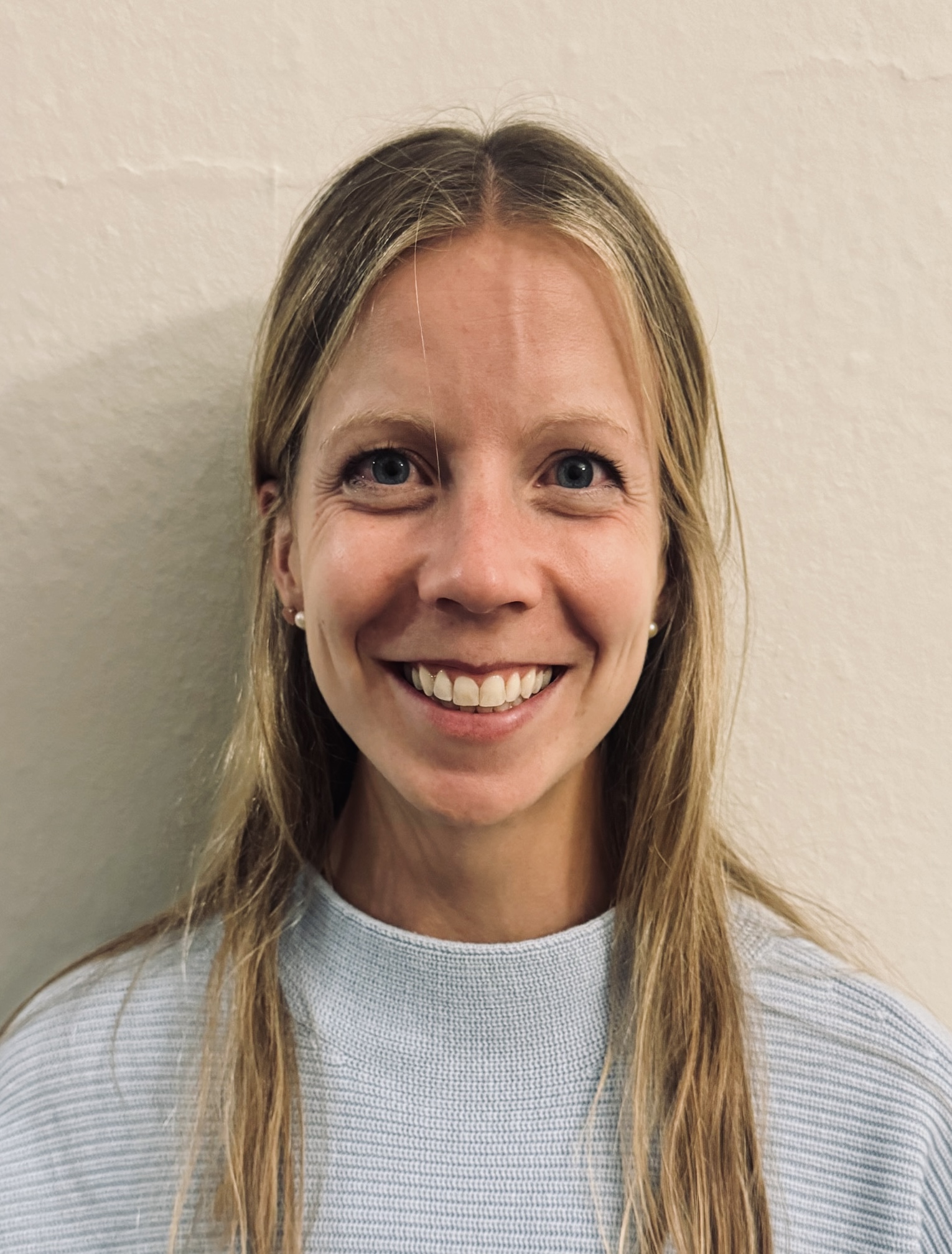
“I want to be the doctor for a bunch of teams in my local area. It means the world to me to be able to talk with the younger community, the girls who really want to be successful in their sport, and lead by example,” Henninger said. “My purpose is very much what gets me through all of this because it fills me up, and interacting with younger athletes is so rewarding to me. I think they just need the right figure to guide them to truly reach their potential. I want to be that resource.”
Female athletes’ health is an historically understudied and underfunded area. Between 2000 and 2025, only 10% of studies on athletes included at least one female participant and fewer than 1% of the studies engaged women athletes directly. Henninger’s work is contributing to a tide shift in the field, trailblazing for young girls who will one day perform at her level.
“A lot of females deal with problems related to their training. Some of them are related to too much training, and some are related to mental health issues like disordered eating or dependence on exercise. A lot of health issues can stem from that,” Henninger said. “It can impact hormone function; it can impact immune function, psychological function, brain function. All of the systems are intertwined. If an athlete is pushing their body to the limit and they’re not eating enough to support those demands and they lose their menstrual cycle, that can have a lot of negative health outcomes later which can derail their athletic career. My research focuses on those principles.”
The significance of scholarship
Scholarship has enabled Henninger to have more time for her groundbreaking research. She was awarded the Swindells Family Leadership Scholarship, and the extra financial support has made all the difference in balancing science and her studies.
“Because of my scholarship I have a little less stress around finances, so I’ve used the time I might have spent working another job to spearhead some of the initiatives at OHSU to increase research for female athletes,” Henninger explained. “I think that getting the scholarship gave me a lot of time to be able to do things for the university, for my future career as a physician, and for current athletes and patients right now. Without having to deal with the stressors of finding another job, I’ve been able to start this initiative that’s going to help future athletes.”
In 2024, Henninger co-authored a study on low energy availability, disordered eating, exercise dependence and fueling strategies in trail runners where women made up over 75% of the survey’s subjects. Currently, Heninger is researching fertility in female athletes and how fueling and training can affect pregnancy.
“My biggest research question right now is: Does energy intake in the short term impact our current markers for future fertility? I’m trying to investigate this because we’re in a really exciting time where we’re not only studying female athletes more, but we’re including really good clauses in professional athlete contracts that support women through pregnancy, but we’ve never studied it,” Henninger said. “Part of this research wants to fill that gap and actually understand the way we’re training.”
Because Henninger sees both sides of the coin when it comes to sports medicine, she’s eager to serve others with her unique perspective after graduation. She explained that medical school has been eye-opening, both regarding the vast amounts of information to learn and in seeing how to best serve patients as a physician.
“Being a frequenter of the system, I got to experience firsthand having a really good doctor and having maybe not so good of a doctor, and I got to see those qualities of a good doctor,” Henninger said. “But then when you’re in the system, you’re more privy to the things that actually impact medical care, and things that hopefully you can change in the future, like advocating that you get more time with your patients.”
As Henninger begins her clinical rotations, she’s excited to learn more hands-on skills. Combined with her sports science research, Henninger can’t wait to see what discoveries and medical contributions she can make next.
“I ended up coming back to medicine almost a decade after my undergrad, and now I’m here and I absolutely love it,” she said. “I wouldn’t have changed it for the world.”
Students & Alumni
Students & Alumni

Students & Alumni